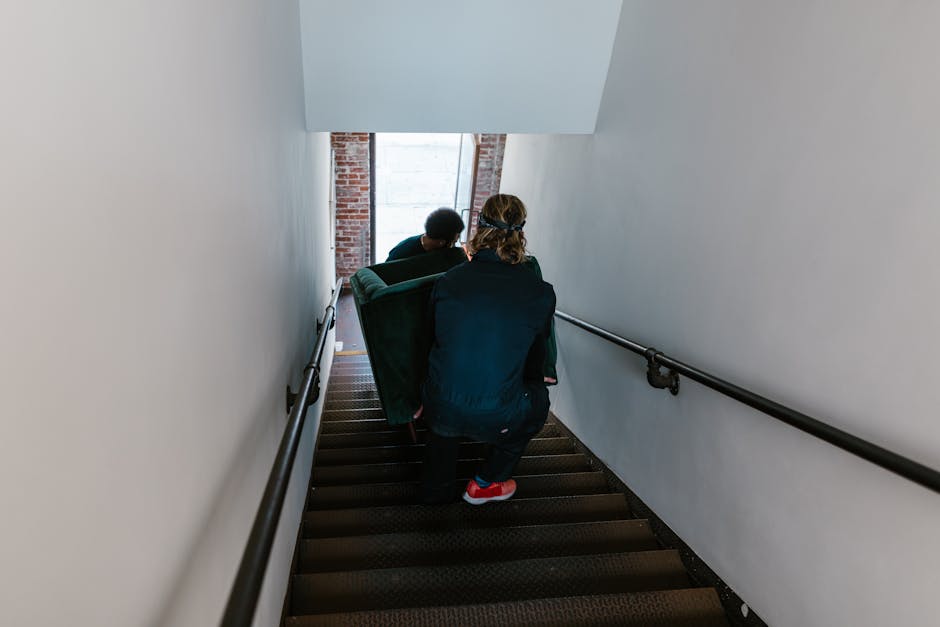
Golborne Road furniture removal and stair carry service: a practical guide for awkward access, heavy items, and stress-free moves
If you have ever tried to move a wardrobe up a narrow stairwell, you already know the problem. It is not just about strength; it is about angles, timing, protection, and not scraping the walls on the way up. A Golborne Road furniture removal and stair carry service is built for exactly those moments. Whether you are shifting a single sofa, clearing a flat, or moving several bulky items in and out of a building with tight stairs, the right approach makes a huge difference.
Golborne Road has its own character: lively streets, mixed property layouts, older buildings, split-level homes, and access that can be a bit of a puzzle. That is why a careful, local-minded service matters. In this guide, we will look at how furniture removals with stair carrying actually work, who they suit, what to check before booking, and how to avoid the kind of mistakes that turn a straightforward move into a long afternoon of frustration. Truth be told, a good move often comes down to preparation more than muscle.
For readers comparing wider moving options, you may also find it useful to look at our services overview, the dedicated furniture removals in North Kensington page, and our practical guide to packing and boxes in North Kensington. They help set expectations before the van even arrives.
Table of Contents
- Why Golborne Road furniture removal and stair carry service matters
- How the service works
- Key benefits and practical advantages
- Who this is for and when it makes sense
- Step-by-step guidance
- Expert tips for better results
- Common mistakes to avoid
- Tools, resources and recommendations
- Law, compliance, standards, and best practice
- Options, methods, and comparison table
- Case study or real-world example
- Practical checklist
- Conclusion
- Frequently asked questions
Why Golborne Road furniture removal and stair carry service Matters
On paper, moving furniture sounds simple: lift, carry, load, unload. In real life, especially around Golborne Road, the challenge is access. Many homes and flats in London have narrow staircases, tight landings, awkward turns, basement levels, or top-floor walk-ups. Even a standard double bed frame can become difficult if the route has a sharp corner half-way up. A sofa that looks manageable in a living room can suddenly feel enormous once you are standing at the bottom of a stairwell.
That is where a stair carry service earns its keep. It is not just a stronger version of a regular man and van job. It is a more careful, more controlled moving method that factors in weight distribution, wall protection, team coordination, and safe lifting technique. In a busy area like Golborne Road, where time, parking, and building access may all be limited, this kind of service reduces the risk of damage and delays.
It also matters because furniture movement is often part of a bigger life event. Maybe you are moving into a new flat, replacing old furniture, helping a relative, or clearing a property quickly. You do not want the logistics to take over the day. A well-planned stair carry keeps things calm. Not perfect, maybe, but calm. And that counts.
For anyone making a broader move in the neighbourhood, it can help to read about flat removals in North Kensington or house removals in North Kensington so you can see how stair carries fit into larger relocation jobs.
How Golborne Road furniture removal and stair carry service Works
The process usually starts with access details. A good provider will want to know what needs moving, where it is going, how many flights of stairs are involved, whether there is a lift, and whether the furniture can be dismantled. That first conversation matters more than people expect. A two-seater sofa, for example, may be easy on a ground-floor move but awkward on a narrow upper-floor stairwell with a turn and low ceiling.
Once the move is assessed, the team plans the carrying method. This may include protective blankets, straps, trolleys for suitable items, and extra people for heavier pieces. In some cases, furniture is partially dismantled before it is carried. In others, the item is wrapped and rotated carefully through the route. There is no single technique for every job; the building decides a lot of the strategy.
On the day, the movers usually arrive with the right vehicle, ready to protect the item and the property. The carrying sequence is kept organised so that each step is controlled. Good stair carry work is deliberate. It should look almost boring from the outside, and that is exactly what you want. No rushing. No dragging. No improvising at the last minute because a chest of drawers is suddenly too wide for the landing.
If parking or timing is tight, you may also want to consider a man with a van in North Kensington or a removal van in North Kensington as part of the solution. The right vehicle matters, but only when it is matched with the right lifting plan.
Key Benefits and Practical Advantages
The most obvious benefit is safety. Furniture is heavy, oddly shaped, and often expensive to replace. Stairs increase the risk of dropping, scratching, pinching fingers, or damaging walls and bannisters. A trained team understands how to distribute weight and move at the pace the staircase demands.
There is also the advantage of saving time. A pair of experienced movers can often complete in minutes what would take a household several frustrated attempts. That does not sound glamorous, but anyone who has tried to pivot a wardrobe around a tight bend knows how quickly time disappears.
Another major benefit is reduced physical strain. Let's face it, most people do not have the lifting technique or the grip strength needed for repeated stair carries. Even if you can manage one item, the accumulated fatigue from multiple pieces can lead to mistakes. Hiring help keeps the move efficient and far less punishing.
Here are the practical advantages in plain English:
- Less risk of injury for you and anyone helping.
- Better protection for walls, floors, banisters, and door frames.
- Faster completion when the route is awkward or the item is bulky.
- More confidence when the furniture is valuable, sentimental, or difficult to replace.
- Better planning for tight London access and limited parking.
There is a quieter benefit too: peace of mind. Moving furniture is one of those jobs that sounds easy until you are halfway through it. Having a method, a plan, and people who know what they are doing makes the whole thing feel less chaotic. That is worth something.
Who This Is For and When It Makes Sense
This service suits a wide range of people. It is not only for full house moves. In fact, many bookings are for single-item jobs, flat clearances, or furniture deliveries that need an extra pair of hands on the stairs.
You may benefit from this service if you are:
- moving into or out of a flat with no lift
- buying a new wardrobe, bed, sofa, or dining table that must go upstairs
- clearing a property after a tenancy ends
- helping a family member relocate with minimal disruption
- working to a tight schedule for an estate agent, landlord, or building handover
- dealing with awkward access in an older building
Students, in particular, often need this kind of help when moving into upper-floor accommodation with steep stairs and limited space. If that sounds familiar, our student removals in North Kensington page may be useful.
It also makes sense if you are not moving the entire contents of a property but just one or two difficult items. A piano bench is easy. The piano, not so much. Sofas, wardrobes, mirrors, appliances, and solid wood furniture are the usual culprits. The moment you think, "I can probably do this with a friend," that is usually the moment to pause and assess the route properly.
Step-by-Step Guidance
If you want the move to go smoothly, treat it like a sequence rather than a one-off lift. Here is a sensible way to approach it.
- List every item to be moved. Include dimensions if possible, especially for wider or taller furniture.
- Check the route. Look at stairs, landings, railings, ceiling height, tight corners, and front-door width.
- Identify hazards. Rugs, cables, low lighting, fragile decor, and wet pavements can all complicate the job.
- Decide what can be dismantled. Bed frames, tables, and some wardrobes are much easier when partially broken down.
- Protect surfaces. Blankets, covers, and floor protection save you from avoidable scuffs.
- Confirm parking and access. In busy streets, timing really matters. A few minutes can make the difference between a smooth load and a blocked kerb.
- Communicate the plan clearly. Everyone should know which item goes first and where it is being placed.
- Allow a little flexibility. Sometimes the first route you imagined will not be the best one. That is normal.
One useful habit is to take a quick photo of the staircase, hallway, and item before moving day. It feels a bit overcautious until the movers spot a hidden corner or an unusually low ceiling and save you ten minutes of guesswork. Practical, not fancy.
Expert Tips for Better Results
Good stair carrying is about technique, but the best results usually come from planning. If you want the job to feel smoother, these tips help more than people realise.
Measure before you lift
Measure the furniture and the narrowest parts of the route. A tape measure is boring but brilliant. Knowing the width of a sofa or the height of a mattress prevents surprises at the first landing.
Empty drawers and remove loose parts
Loose items add weight and shift during carrying. Drawers, shelves, cushions, and detachable legs should come out where possible. It sounds obvious, then somehow people forget and end up fighting a wobbling cabinet.
Use two people for awkward items
Even when an item feels manageable, a second person adds balance and control. That is especially true on stairs, where one poor grip can throw the whole movement off.
Keep the route clear
Hallways, door thresholds, and stair landings should be free of boxes, shoes, bins, and random clutter. In real homes, especially London ones, that clutter appears fast. Tidy first, move second.
Think about the landing, not just the stairs
Many problems happen at the top or bottom of the staircase. The actual staircase may be fine; the pivot point is the issue. That is where expertise shows.
If you need a broader moving plan, it can help to review removal services in North Kensington and removals in North Kensington to understand how a stair carry fits into a full local move. Small detail, big difference.
Common Mistakes to Avoid
Most moving problems are not dramatic. They are small errors that stack up. A forgotten measurement here, a rushed lift there, and suddenly a simple job is awkward.
- Assuming the item will fit without checking the route.
- Underestimating weight, especially with solid wood or upholstered pieces.
- Skipping dismantling when a few screws would make the job far easier.
- Forgetting to protect surfaces and then noticing the scrape afterwards.
- Trying to do too much alone because "it is only one item".
- Ignoring parking and access issues, which can create delays before the move even starts.
One mistake we see repeatedly is people judging by eye rather than measuring. A staircase can look generous until you try to angle a mattress through it. Then it becomes very clear, very quickly, that the eye is an optimistic little thing.
Another common issue is poor communication. If you are booking help, be specific about access, floor level, the building layout, and any fragile items. It saves everyone time and avoids that awkward "oh, we should have mentioned the spiral stairs" moment.
Tools, Resources and Recommendations
You do not need a warehouse of specialist gear for every stair carry, but the right tools help. At a practical level, a good move often includes:
- moving blankets or padded covers
- straps for secure handling
- tape and bags for loose fixings
- gloves with decent grip
- basic tools for dismantling beds or tables
- floor protection for sensitive surfaces
- labels for keeping parts together
For larger or combined moves, you may also benefit from storage. If you are between properties or waiting for refurbishment work to finish, consider storage in North Kensington as a practical buffer. It can take pressure off the timing of the move and keep your furniture safe while you sort everything else out.
On the service side, look for providers who are transparent about what they can handle, how they approach access issues, and how they price jobs. A clear quote process makes the whole experience easier. Our pricing and quotes page explains the sort of information that helps a job be estimated sensibly.
Law, Compliance, Standards, and Best Practice
Furniture removals and stair carrying are practical services, but they still sit within a framework of safety, insurance, and professional responsibility. You do not need to memorise regulations to book a move, but you should expect a provider to work carefully and to follow sensible best practice.
That usually includes safe lifting methods, appropriate equipment, and a realistic approach to risk. If a staircase looks too narrow for a bulky item, the right response is to reassess the route, not force the issue. Likewise, any reputable mover should be mindful of property protection and vehicle security, and should take reasonable steps to avoid damage during loading and unloading.
It is also reasonable to ask about insurance and safety procedures. In a service involving heavy lifting, narrow access, and shared hallways, that is not being fussy. It is being wise. Our insurance and safety page and health and safety policy give a clearer picture of the standards we work to.
If you want to understand the wider business approach, including expectations around conduct and service handling, you can also review the terms and conditions and the complaints procedure. Not the glamorous reading of the day, perhaps, but useful. And useful is what counts here.
Options, Methods, and Comparison Table
There are a few ways to handle furniture movement on Golborne Road, and the best one depends on the size of the item, the building access, and how much risk you are willing to take. Here is a straightforward comparison.
| Method | Best for | Pros | Watch-outs |
|---|---|---|---|
| DIY with friends | Light, simple items on easy stairs | Low cost upfront | Higher injury risk, less control, more chance of damage |
| Man and van support | Smaller moves, single-item transport, basic loading help | Flexible and often quick | May not be enough for complex stair carries without extra planning |
| Dedicated stair carry service | Heavy, bulky, or awkward furniture with tight access | Safer, more controlled, better suited to difficult buildings | May cost more than a minimal transport-only option |
| Full removal service | Flat or house moves, multiple items, time-sensitive relocations | Most complete support, less stress | May be more than you need for a single item |
If you are unsure which route suits you, a combined approach is often best. For example, a stair carry plus a van can solve a local move without tipping into a full-scale removal. That middle ground is often the sweet spot.
Case Study or Real-World Example
Imagine a resident moving a large wardrobe into a second-floor flat near Golborne Road. The building has a narrow hallway, a tight turn on the stairs, and a front entrance that opens onto a busy street. At first glance, the wardrobe looks like it might fit if angled just right. That is the dangerous little thought, by the way.
Instead of attempting to muscle it through, the movers check the dimensions, remove the doors and shelves, and wrap the panels carefully. They clear the stairwell, protect the banister, and carry the pieces one by one with a planned order. The wardrobe is delivered without damage, the walls stay intact, and the flat is not left with scuffed paint or dented corners.
That sort of job may sound unremarkable, but it is exactly what makes a stair carry service valuable. The best outcome is usually the one where nothing exciting happens. No drama. No broken hinge. No one sweating on the landing while muttering that it "should have been fine".
A similar approach works for sofa removals, bed frames, appliances, and even office furniture. If the access is awkward, careful handling almost always beats optimistic brute force.
Practical Checklist
Use this checklist before your move or stair carry appointment. It keeps the job simple and helps prevent last-minute stress.
- Measure the furniture, stairs, doors, and landings.
- Check whether items can be dismantled.
- Clear hallways, stairways, and entrances.
- Confirm parking and access arrangements.
- Tell the mover about fragile items and awkward corners.
- Protect floors, bannisters, and nearby walls.
- Pack screws and small parts in labelled bags.
- Keep pets and children away from the route.
- Review timing so the lift, loading, and handover all align.
- Have a backup plan if the item needs extra dismantling or storage.
Expert summary: The safest and smoothest furniture move is rarely the fastest-looking one. It is the one that is measured, prepared, and carried with care. On Golborne Road, where access can be tight and time can be precious, that approach saves both hassle and money in the long run.
Conclusion
A Golborne Road furniture removal and stair carry service is about more than getting a heavy item from one floor to another. It is about making difficult access feel manageable, protecting your property, and reducing the risk of injury or damage. When the route is tight, the stairs are awkward, or the furniture is simply too bulky to trust to luck, a careful professional approach is the sensible choice.
If you plan ahead, measure properly, and choose the right support for the job, you can turn what looks like a stressful move into a straightforward one. And honestly, that is often the difference between a long, frustrating day and a move that just quietly works.
Get a free quote today and see how much you can save.
For a closer look at who we are and how we work, visit our about us page or explore the wider range of removal companies in North Kensington support options we provide. Sometimes the best move is simply the one that feels steady from start to finish.
Frequently Asked Questions
What is a stair carry service for furniture removals?
A stair carry service is a moving support service where heavy or bulky furniture is carried up or down stairs safely by trained movers. It is especially useful in buildings with tight access, no lift, or awkward landings.
How do I know if my furniture will fit through the stairs?
Measure the furniture and the staircase before moving day. Check the width of the narrowest point, any turns on the landing, and the height of the ceiling where the item will pivot. A quick photo helps too.
Can large furniture be dismantled before a stair carry?
Yes, often it can. Bed frames, tables, wardrobes, and some shelving units are easier to move when partially dismantled. Removing doors, legs, or shelves can make a big difference.
Is a Golborne Road furniture removal and stair carry service only for house moves?
No. It is also useful for single-item jobs, student moves, flat clearances, sofa deliveries, office items, and furniture that needs to go into an upper-floor property.
How far in advance should I book?
As early as you can if the job is time-sensitive or involves awkward access. Some moves are straightforward, but busy periods, parking limits, and building access can all affect availability.
What should I do before movers arrive?
Clear the route, measure the furniture, remove loose items, label any screws or fittings, and make sure pets or children are out of the way. Simple prep helps a lot.
Will stair carrying damage my walls or banisters?
It should not, if the team uses proper protection and takes care with angles and lift points. That said, older stairwells and tight corners do increase risk, so care matters.
Is this service suitable for heavy items like wardrobes or sofas?
Yes, that is exactly the kind of job it is for. Heavy, bulky, or awkward items are often much safer to move with experienced help than with a DIY attempt.
How do pricing and quotes usually work?
Quotes are usually based on item size, number of movers needed, access conditions, distance, and timing. If you want a clearer idea of what affects the price, see our pricing and quotes page.
What if my building has very narrow stairs or no lift?
That is exactly when a stair carry service becomes especially valuable. The team can assess the route, decide whether dismantling is needed, and use the safest method available.
Can I combine stair carrying with van transport?
Yes, and in many cases that is the most practical option. A move is often smoother when loading, transport, and stair carrying are organised as one coordinated job.
What if I need storage between properties?
Storage is a sensible option if your new place is not ready yet or if you need to stage the move in parts. You can look at our storage in North Kensington page for a practical overview.
Do you handle short-notice jobs?
Sometimes, yes. If the schedule is tight, it is worth asking as early as possible. For urgent local support, our same day removals in North Kensington page may be useful.
And if you are planning a move around central or west London, a little local context never hurts. Our articles on local insights on Kensington as a place to live and Kensington real estate can help you understand the kind of housing patterns that often create the access challenges discussed in this guide.