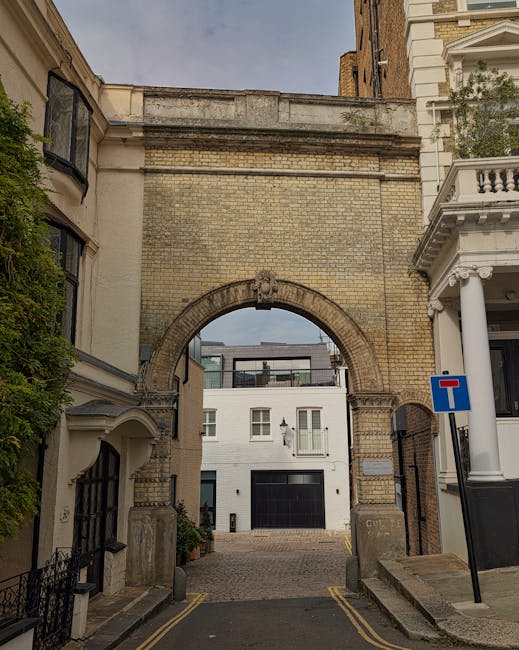
Doorstep Collections and Narrow Street Removal Solutions: A Practical Guide for Tight-Access Moves
If you have ever stared at a parked van, a line of terraced houses, and a street so narrow two cars can barely pass, you already know the problem. Doorstep collections and narrow street removal solutions are designed for exactly that sort of move: the kind where access is awkward, parking is limited, and getting items from the front door to the vehicle takes more planning than brute force. In busy London areas, especially around older housing stock and tight residential roads, the difference between a smooth move and a stressful one is often the access plan.
This guide explains how doorstep collections and narrow street removal solutions work, who they suit, what to avoid, and how to prepare properly. You will also find a checklist, a realistic comparison of methods, and a few practical observations from the kind of move where the smallest detail can save the day.
Why Doorstep Collections and Narrow Street Removal Solutions Matters
Access is not a side issue in removals. It is the job. If the street is narrow, the pavement is tight, or the property sits behind a no-parking bay, the whole moving day depends on how well the collection is planned. Doorstep collections and narrow street removal solutions matter because they reduce the gap between your front door and the vehicle, while also reducing the chance of damage, delay, or avoidable lifting.
In real life, the difficult part is rarely the big sofa or the washing machine. It is the awkward turning space, the blocked kerb, the neighbour's car that could not be moved in time, or the fact that the van simply cannot park directly outside. A good plan handles those issues before anyone starts lifting. That is the difference between a rushed scramble and a calm, controlled move.
For people moving in London, these situations are common enough to deserve their own approach. Narrow streets, resident-only parking, basement flats, top-floor walk-ups, and mixed-use roads can all affect loading. If you are planning a move in the area, it can also help to understand the local housing landscape through local insights on Kensington as a place to live and broader property context in expert insights on Kensington real estate.
Expert summary: Tight-access removals work best when the route, parking, loading point, item handling, and timing are all planned together. If any one of those is guessed, the day gets harder fast.
How Doorstep Collections and Narrow Street Removal Solutions Work
At its simplest, doorstep collection means moving items from the property entrance to a nearby vehicle without expecting the vehicle to sit directly outside the front door. Narrow street removal solutions add the practical methods needed when a standard van load-up is not possible because the road is too tight, too busy, or too restricted.
That can involve a small van, a man-and-van style service, shuttle loading, timed arrivals, short carrying distances, or a staged approach where items are brought to a safe collection point before being loaded. Sometimes it is as straightforward as choosing the right vehicle. Other times, it means combining several small adjustments. Bit by bit, that is usually what makes the difference.
In a typical tight-access move, the process looks something like this:
- Assess the property and the street layout.
- Check parking, turning space, and any loading restrictions.
- Decide whether the van can park at the kerb or needs a collection point nearby.
- Choose the right vehicle size and crew for the access conditions.
- Plan the sequence of loading so the most awkward items are handled first.
- Protect floors, walls, and door frames before moving starts.
- Keep the route clear and communicate changes as the move progresses.
This is one reason services such as man and van North Kensington and man with a van North Kensington are often considered for tighter streets: they can be more flexible than a larger vehicle, especially where access is limited or the parking situation is uncertain. For smaller flat moves, flat removals North Kensington can also be a sensible fit.
Let's face it, nobody wants a removals team trying to reverse a huge van into a street that was clearly built before anyone thought about delivery bays. A smaller, better-planned solution often wins.
Key Benefits and Practical Advantages
The main benefit of a doorstep collection approach is control. Once the collection point is agreed, the move becomes more predictable. You are no longer relying on a van being able to park inches from the front door, which is a hopeful strategy at best and a headache at worst.
Here are the advantages that matter most:
- Less parking stress: you do not have to gamble on finding a perfect bay right outside the property.
- Reduced risk of damage: shorter, planned carries usually mean fewer knocks to walls, banisters, and furniture edges.
- Better time management: a defined loading point helps the team work in a steady rhythm.
- More suitable for awkward streets: narrow roads, one-way systems, and controlled parking areas become manageable.
- Improved safety: fewer rushed manoeuvres and less carrying through cluttered traffic areas.
- More flexible vehicle choice: smaller vans or shuttle transfers can suit the job better than forcing a large lorry into a tight street.
There is also a subtle but important benefit: the move feels less chaotic. That sounds small, but when you are moving out of a second-floor flat on a drizzly morning with a narrow pavement and a neighbour trying to get out with a buggy, calm is worth a lot.
If you are comparing broader moving support, a wider services overview can help you judge which type of removals support matches your access problem, not just your inventory list.
Who This Is For and When It Makes Sense
These solutions are not just for one type of customer. In practice, they suit anyone whose property or street creates access constraints. That includes flat movers, house movers, students, office relocations, and people moving high-value or awkward items that need careful handling.
You should strongly consider doorstep collection or narrow street planning if any of these sound familiar:
- Your road is too narrow for a standard van to sit safely outside.
- Parking is limited, permit-based, or heavily time-restricted.
- There is no private driveway or loading bay.
- You live on an upper floor with a long internal walk to the street.
- You have heavy furniture, pianos, or fragile items that need controlled carrying.
- You are moving at short notice and cannot spend days arranging access permissions.
Students often run into this problem because their properties are small, shared, and awkwardly placed. If that sounds like you, student removals North Kensington can be a more realistic starting point than a generic "big van, full service" approach. For households, house removals North Kensington tends to make more sense where the inventory is larger and access is more sensitive.
Office moves are a slightly different beast. Even a small office can create access friction because of desks, IT equipment, documents, and the need to minimise disruption. For those situations, office removals North Kensington may be the better match.
Step-by-Step Guidance
Good tight-access removals are built on preparation. Not perfection. Just good preparation. Here is a practical way to organise the move.
1. Measure the access, not just the rooms
People often measure the sofa and forget the street. You need to know the width of the road, whether the van can stop nearby, where a safe collection point could be, and whether the route involves steps, railings, or narrow corners. If there is a basement entrance or steep external staircase, note that too.
2. Make a realistic item list
List the bulky, fragile, and awkward items first. A wardrobe may be the headline item, but a heavy mirror, a piano bench, or a boxed piece of equipment can be just as important in planning the load order. If you are moving special items, such as an upright piano, a dedicated piano removals North Kensington service is usually a better fit than treating it like ordinary furniture.
3. Confirm parking and timing early
On narrow streets, timing is often the difference between a clean collection and a lot of unnecessary walking. Think about school-run traffic, refuse collection days, resident parking, and the moments when a street is busiest. If you can't rely on the door being open for a vehicle, plan a doorstep collection point that is legal and practical.
4. Choose the right vehicle size
Smaller is not always better, and bigger is not always safer. The right vehicle is the one that fits the access and the inventory. A larger van may reduce trips, but it can become unusable on some streets. A smaller vehicle may need shuttle loading, but it can make the whole move possible.
5. Prepare the property for quick loading
Pack items by room, label them clearly, and keep the hallway free. The less clutter there is at the doorway, the faster the carrying stage becomes. This sounds obvious, yet it is one of the most common things people overlook.
6. Use protection where it matters
Floor runners, blankets, edge protection, and proper lifting gear may feel like small extras, but they are what keep a tight move from turning messy. Good teams also protect shared areas, because a narrow staircase in a period property can take a beating very quickly if nobody is careful.
7. Keep communication simple and direct
If access changes on the day, say so immediately. A delivery van blocking the street, a neighbour moving a car, or a restriction enforcement visit can all change the plan in minutes. It is better to adjust early than to push on blindly and hope for the best. Hope is lovely. Not very useful here, though.
Expert Tips for Better Results
There are a few practical habits that make narrow street removals much easier. These are not flashy, but they matter.
- Book the move around the access window, not just the calendar: a free morning slot is more useful than a random afternoon appointment if the street gets busier later.
- Keep essentials separate: things like keys, documents, chargers, medication, and kettle items should not disappear into the back of the van.
- Move the easiest items last: that leaves more room and energy for the awkward furniture first.
- Use boxes that can actually be carried comfortably: overpacked boxes are a classic mistake and, frankly, a bit of a trap.
- Tell the crew about fragile or valuable items before they arrive: no one wants surprises when the lift is already under way.
- Think one step ahead: where will the trolley turn? where will the van wait? where will people stand while loading happens?
If you are comparing providers, ask whether they regularly handle access problems rather than just whether they can "do removals." That distinction matters. A company that is experienced with awkward streets will usually think in terms of carrying distance, turning space, and parking strategy, not just item counts. You can also review removal services North Kensington if you want a broader sense of the support available.
One more thing: if your move involves temporary storage because of access timing, a flexible storage North Kensington option can take pressure off the move day. That little bit of breathing space can be surprisingly valuable.
Common Mistakes to Avoid
Narrow street moves tend to fail in the same few ways. Not because people are careless, but because they assume the road will behave itself. It rarely does.
- Assuming the van can park outside: this is the biggest and most expensive assumption.
- Leaving parking arrangements until the day before: by then, your options may be limited.
- Choosing a vehicle that is too large for the street: this causes delays, detours, and extra lifting.
- Underpacking fragile items: one sharp turn and a loosely packed box can become a problem.
- Not warning the team about stairs or awkward access: they need the full picture, not the optimistic version.
- Forgetting building rules or neighbour considerations: shared spaces need a bit of care, especially in flats.
There is also the "we'll just make it work" approach. To be fair, that sounds brave, but in removals it often becomes expensive. Better to adapt the plan than try to force the street to cooperate.
If you need a quick-turnaround move, same day removals North Kensington can be worth considering, but only if the access details are clear. Speed helps, yet speed without planning is just noise.
Tools, Resources and Recommendations
You do not need a truck full of gadgets to manage a tight-access move, but a few practical tools help a lot. The best ones are simple and used properly.
- Measuring tape: for checking hallways, doorways, stair widths, and awkward corners.
- Floor protection: especially in shared halls, older properties, or freshly finished rooms.
- Furniture blankets and straps: to protect items while moving through confined spaces.
- Clear labels and room markers: so boxes go where they should, quickly.
- Trolley or sack truck: useful where the route is smooth enough for wheeled loading.
- Inventory list: not glamorous, but very useful when space is tight and time is limited.
For preparation, packaging matters more than many people realise. Strong boxes, decent tape, and proper wrapping can save time and reduce breakages. If you want to organise that side properly, look at packing and boxes North Kensington before moving day.
For more general moving support, many readers also find it helpful to compare removals North Kensington with removal companies North Kensington so they can judge the level of service and flexibility they actually need. Not every move needs a full-scale team, but every move does need the right fit.
Law, Compliance, Standards, or Best Practice
Tight-access moves are not just about muscle and timing. They also sit within ordinary UK expectations around road use, parking, safety, and property care. While the details vary by location and circumstance, a sensible removals plan should respect local parking restrictions, loading rules, access routes, and building conditions.
In practical terms, that means checking whether the van can legally stop where it needs to stop, whether the building has any move-in rules, and whether there are shared areas that need protection. If the street is controlled or the loading point is uncertain, the safest approach is to plan for a legal alternative rather than rely on luck. Councils and building managers can differ, so it is worth being cautious instead of guessing.
Safety best practice also matters. Proper lifting, team communication, secure loading, and sensible vehicle choice all reduce the risk of damage or injury. You should expect a professional mover to think about safe handling, insurance, and what happens if access changes while the job is underway. If you want to read more about how a responsible provider frames those obligations, the site's health and safety policy and insurance and safety pages are useful reference points.
For trust and service expectations, it can also help to review the company's about us information and its approach to payment and security. Those details may seem administrative, but they tell you quite a lot about how a business operates when the day gets busy.
Options, Methods, or Comparison Table
There is no single correct method for tight-access removals. The right choice depends on the street, the item list, and how far the van can realistically get. Here is a simple comparison.
| Method | Best For | Strengths | Limitations |
|---|---|---|---|
| Full-size removal van | Larger moves with enough street space | Fewer trips, efficient for bulky loads | Can struggle on narrow streets or with restricted parking |
| Small van / man and van | Flats, smaller houses, flexible access | Easier to park, more nimble, often better for tight roads | May require more loading runs for larger jobs |
| Doorstep collection point | When the vehicle cannot stop directly outside | Creates a safe, defined handover point | Needs a sensible walking route and good communication |
| Shuttle loading | Very tight streets or awkward building access | Flexible, useful when a van must park farther away | Can add time and labour if not planned well |
| Storage-first approach | Moves split across days or when access is uncertain | Reduces pressure, allows staging | Requires extra planning and possible interim storage cost |
For many city moves, a smaller vehicle plus a well-organised collection point is the sweet spot. For others, especially where volume is high, a staged move with storage is the practical answer. Truth be told, the "best" method is the one that gets everything out safely without everyone sweating over the parking bay.
Case Study or Real-World Example
Picture a two-bedroom flat on a narrow London street with no private parking, a tight staircase, and a living room full of mixed furniture. The resident assumes the van can sit outside for an hour or two. On paper, that sounds fine. On the day, it is a mess: one side of the road is already occupied, the turning circle is small, and the driver cannot safely block the carriageway.
Now compare that with a planned doorstep collection. The team arrives with a vehicle that suits the street, checks the nearest legal stopping point, and creates a short carry route from the entrance to the van. The larger items are loaded first, the hallway is kept clear, and fragile boxes stay separate from the heavy furniture. The whole thing still requires effort, naturally, but it stays orderly.
This kind of approach is common on streets with dense residential parking, and it is one reason local route knowledge matters. If you are moving in parts of W10, for example, articles such as W10 house removals in Latimer Road and Westbourne Park, Ladbroke Grove man with van for tight access moves, and access problems in Ladbroke Grove removals show why local conditions need a local plan.
In a similar way, more specialised moves such as North Kensington removals for Portobello Road highlight that the street itself can be as important as the property. You can have the perfect packing plan and still run into trouble if access is underestimated. That is the whole point here.
Practical Checklist
Use this checklist before booking and again the day before the move. It keeps things concrete.
- Measure the property entrance, hallway, stairs, and key turning points.
- Confirm whether the van can legally stop nearby.
- Check if your street has loading restrictions or time windows.
- List bulky, heavy, fragile, and awkward items separately.
- Decide whether a small van, larger van, or staged collection is best.
- Pack and label boxes clearly by room.
- Keep a clear route from the door to the collection point.
- Protect floors, walls, banisters, and shared hallways.
- Set aside essentials you need on arrival.
- Notify the removals team about stairs, access codes, and any oddities on the street.
- Have a backup plan if parking is blocked on the day.
- Review the move terms, timing, and payment details before the day starts.
If your move includes a time-critical handover, it can be sensible to think ahead to support options such as removal van North Kensington for transport capacity, or furniture removals North Kensington if heavy items are the main concern.
Get a free quote today and see how much you can save.
Conclusion
Doorstep collections and narrow street removal solutions are really about one thing: turning awkward access into a workable plan. When the street is tight, parking is limited, and the front door is a long way from the van, the move has to be designed around reality rather than wishful thinking. That means choosing the right vehicle, planning the collection point, packing with care, and knowing where the pressures are before moving day arrives.
Done well, this kind of move feels steady and controlled. Not easy exactly, but manageable. And that matters. Because moving house, flat, or office is stressful enough without the street itself becoming the main character.
If you take away one idea, let it be this: access planning is not extra admin. It is the core of a successful tight-space move. Handle that properly, and the rest becomes a lot simpler.
Frequently Asked Questions
What are doorstep collections in removals?
Doorstep collections are a way of moving items from the property entrance to a nearby vehicle when the van cannot stop right outside the front door. They are useful where parking is tight, the street is narrow, or access is restricted.
Are narrow street removal solutions only for London moves?
No, but they are especially common in London because of older streets, limited parking, and dense housing. Similar access issues can happen in other cities too, particularly in terraced or high-density residential areas.
How do I know if my street is too narrow for a removal van?
If a vehicle cannot stop safely without blocking traffic, or if there is no room to turn, reverse, or load without disrupting the street, you probably need a tighter-access plan. A site visit or detailed access check is the safest way to confirm.
Is a man and van service better for narrow streets?
Often, yes. A smaller vehicle can be easier to park and manoeuvre in tight roads. But the best choice still depends on the size of the move, the items involved, and how far the vehicle needs to be from the door.
Can doorstep collections work for flats and top-floor apartments?
Yes. They are often used for flat moves, especially where stairs, communal hallways, or restricted parking make direct van access difficult. Good planning becomes even more important when the property is on an upper floor.
What should I do if parking is already occupied on moving day?
Tell the removals team immediately and switch to the backup plan. That may mean using a different collection point, waiting for a safe loading space, or adjusting the order of loading. Do not improvise in a way that blocks traffic or creates risk.
How early should I plan a narrow street move?
The earlier the better, especially if parking, building access, or shared hallways are involved. Even a short move can benefit from a few days of planning, and more complex jobs may need longer.
Do I need special packing for doorstep collections?
You do not need anything unusual, but strong boxes, clear labels, and decent protection for fragile items are important. Since items may be carried a slightly longer distance, secure packing helps reduce knocks and slips.
What is shuttle loading?
Shuttle loading means moving items in stages between the property and a vehicle that cannot park directly outside. It is a practical method for very tight streets or restricted access, though it can take longer than a direct load.
Are there extra costs for difficult access?
Sometimes there can be, depending on the time, labour, parking difficulty, and vehicle requirements. It is best to ask for pricing that reflects the real access conditions rather than a generic estimate. Clear information upfront usually prevents surprises later.
Can narrow street removal solutions include storage?
Yes. If the move needs to be split or the access point changes between collection and delivery, temporary storage can make the process much easier. It is a sensible option when timing or access is uncertain.
How do I choose a removals company for tight access?
Look for a company that talks about access, parking, carrying distance, and route planning rather than only about volume and price. Experience with awkward streets matters more than a flashy promise. A calm, detailed approach usually tells you a lot.